How to take this course
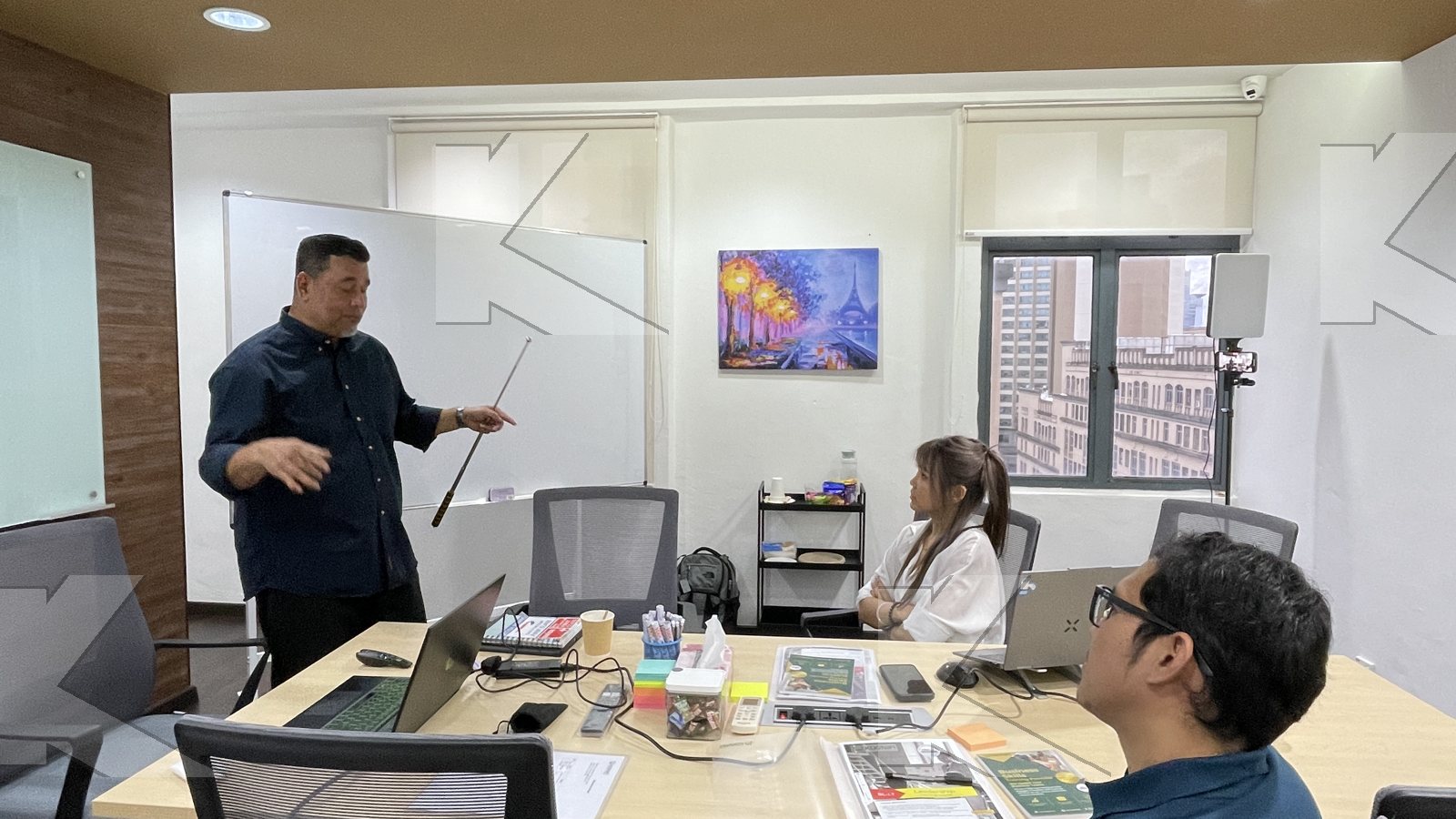
In-house for Your Team
Tailored to your cases, at your premises or ours. It is an HRD Corp Claimable Course (SBL-KHAS).
Get a QuoteWhat you will be able to do
- Describe how the brain and body respond to acute and chronic stress, and the pathway to burnout
- Analyse individual, team and organisational stress triggers in your area, including cultural factors
- Apply cognitive reframing and at least three mind–body techniques to regulate your own stress response
- Use a structured de-escalation approach to manage your own and others' anger at work
- Facilitate a structured conversation to resolve or mediate a workplace conflict
- Evaluate team practices that build psychological safety and peer support, and respond to a colleague in distress
- Create a workload and prioritisation plan and a personal and team action plan to reduce work stress
Who should attend
Managers, executives, supervisors and team leaders.
Pre-requisites: Currently supervising staff or leading a team or function.
Programme by day and module
Day 1
Module 1 · The Neuroscience of Stress and Burnout
How the nervous system reacts to stress, how acute stress, chronic stress and clinical burnout differ, and how silent burnout reduces team productivity.
- Neuroscience of stress and burnout Lecture
- Stress and burnout self-assessment · Individual Exercise
- Recognising stress signals in team members Group Activity
Module 2 · Mapping Triggers and Cultural Nuances
Participants identify their personal stress triggers, see how collectivist workplace norms in Malaysia can drive burnout, and recognise the body's early warning signs.
- Personal trigger self-assessment · Individual Exercise
- Team stressor mapping Workshop
- Cultural nuance cases · Group Discussion
Module 3 · Applied Cognitive Reframing and Mindfulness
Participants practise the ABC method to change unhelpful thinking, and short mindfulness and relaxation techniques they can use at their desk.
- Guided mind–body practice · Experiential Exercise
- Reframing real work situations · Pair Work
- Personal resilience routine · Individual Exercise
Module 4 · Workplace Anger Management and De-escalation
What lies under workplace anger, how to recognise your own early warning signs, and how to express anger constructively and de-escalate tense situations.
- The Anger Iceberg and early warning signs Lecture
- De-escalation role-play · Group Role-Play
- Personal anger trigger plan · Individual Exercise
Day 2
Module 5 · Workplace Conflict Resolution and Mediation
Sources of workplace conflict, the right conflict-handling approach, and a structured resolution or mediation conversation between team members.
- Conflict styles self-assessment · Individual Exercise
- Structured mediation practice · Group Role-Play
- Debrief · Group Discussion
Module 6 · Psychological Safety and Cultural Harmony
How managers build teams where people speak up, ask for help and raise concerns without fear, and how to build harmony in a multicultural workforce.
- Psychological safety team check Workshop
- Inclusive communication scenarios Group Activity
- Team norms draft Group Activity
Module 7 · Peer Support and Crisis Response
How to notice a colleague who is struggling, start a supportive conversation, and respond safely in a crisis, including referral to professional help.
- Peer support conversation · Pair Role-Play
- Crisis response scenarios Group Activity
- The organisation's referral pathway Workshop
Module 8 · Time Management, Prioritisation and Workload Control
Practical methods to control workload for yourself and your team, prioritise and protect focus time.
- Workload audit and prioritisation Workshop
- Delegation and workload conversation · Pair Role-Play
- Personal and team action plan · Individual Exercise
How the course runs
Before
Training Needs Survey
During
Training: practice on your own work
After
- Learning Assessment
- Post-Training Implementation Plan
- Course Evaluation (TEE)
- Certificate
What Is Included
- Course handbook for every participant
- Workshop activities, guided and coached by the trainer
- An assessment test at the end of each module
- Your contribution and reflection in the group activities are evaluated
- HRD Corp Training Effectiveness Evaluation (TEE) feedback after the course
Certificate
- Certificate of Attendance: for every participant who attends at least 75% of the course and scores below 50% in the assessment.
- Certificate of Achievement: for participants who attend at least 75% of the course and score 50% to 79% in the assessment.
- Certificate of Competency: for participants who attend at least 75% of the course and pass 80% of the assessment.
Trainers

Fees and HRD Corp funding
- In-house and group fees: quoted for your team size and dates.
Employers registered with HRD Corp can claim this course against their levy. How claiming works
Related work tips
Related courses

 HRD Corp Claimable Course


Get a Quote
Tell us your team size, preferred month and location, and we will send a quotation.