
Two ways to take this course
In-house for Your Team
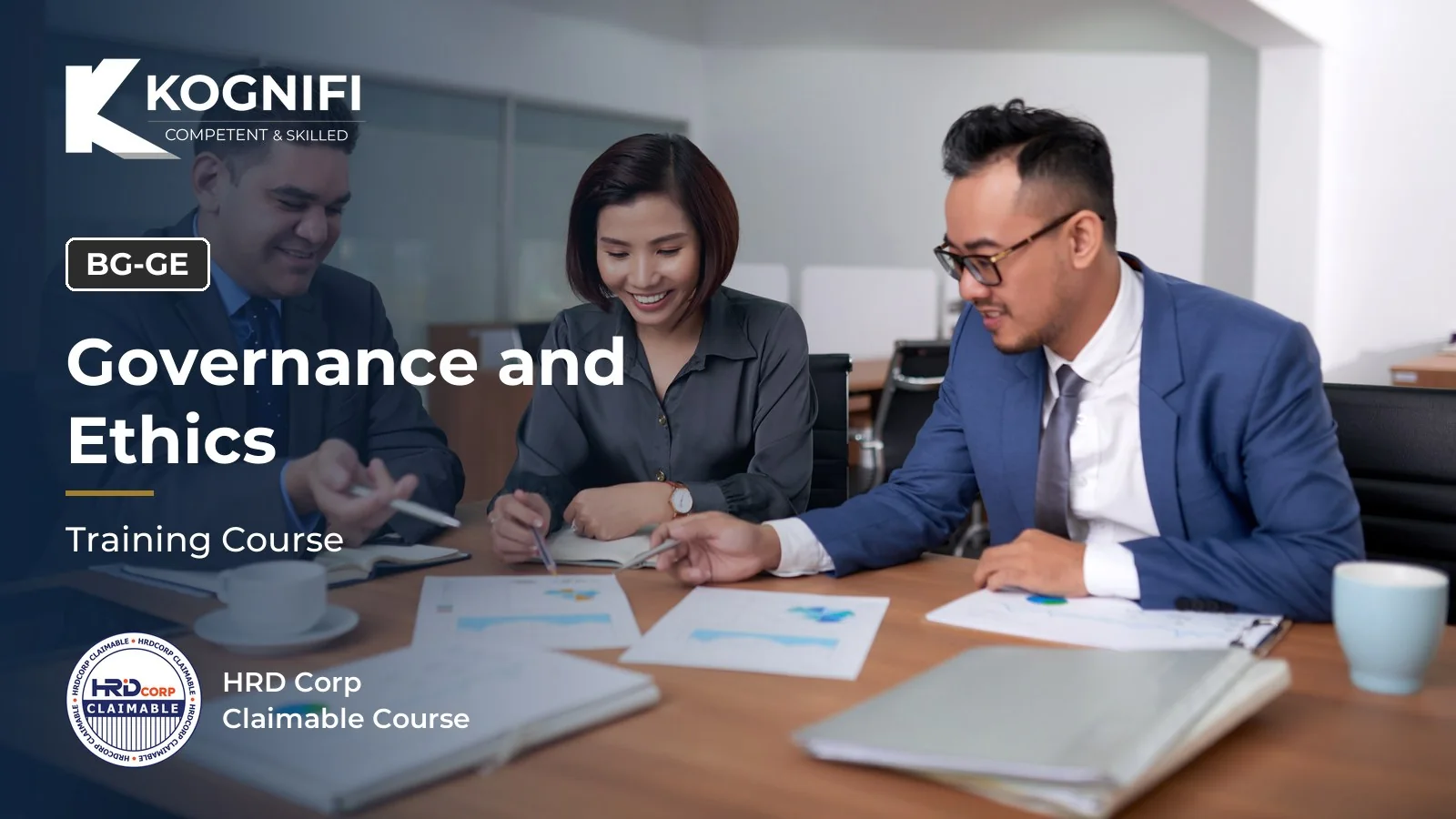
Tailored to your cases, at your premises or ours. It is an HRD Corp Claimable Course (SBL-KHAS).
Get a QuoteAlso available as private 1-to-1 coaching. Ask about coaching
Also available live online on MS Teams or Zoom.
What you will be able to do
- Understand the importance of governance and ethics
- Create a culture of ethics and integrity with clear policies
- Manage risks and comply with legal and regulatory requirements
- Acquire knowledge of governing corporate entities
Who should attend
Compliance, HR, board members and C-suite executives who need to uphold governance and ethical practices in their organisation. Participants learn the importance of governance and ethics in corporate sustainability, how to create a culture of ethics and integrity, how to manage risks and comply with legal and regulatory requirements, and how corporate entities are governed.
Pre-requisites: SPM, diploma or degree holder
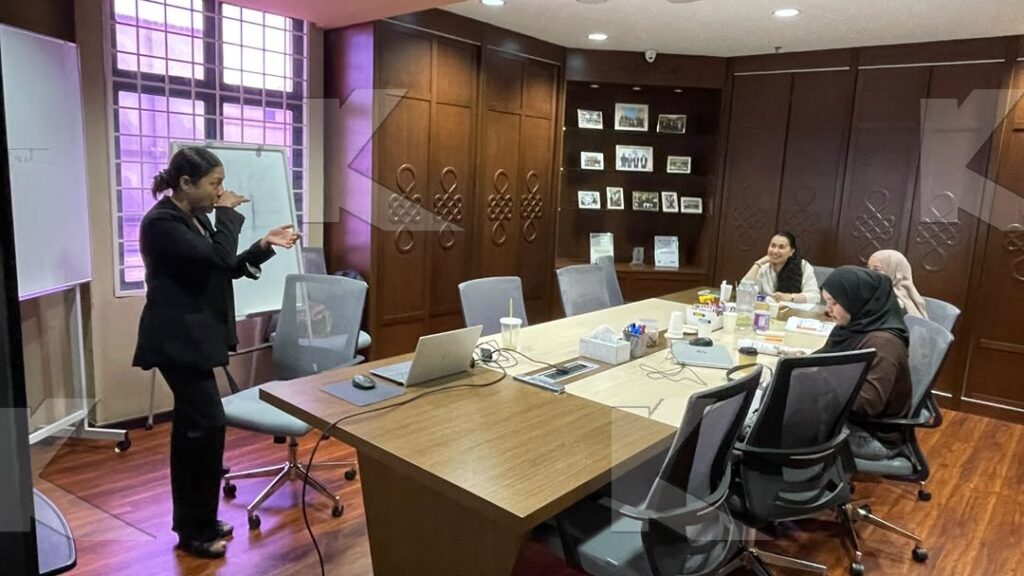
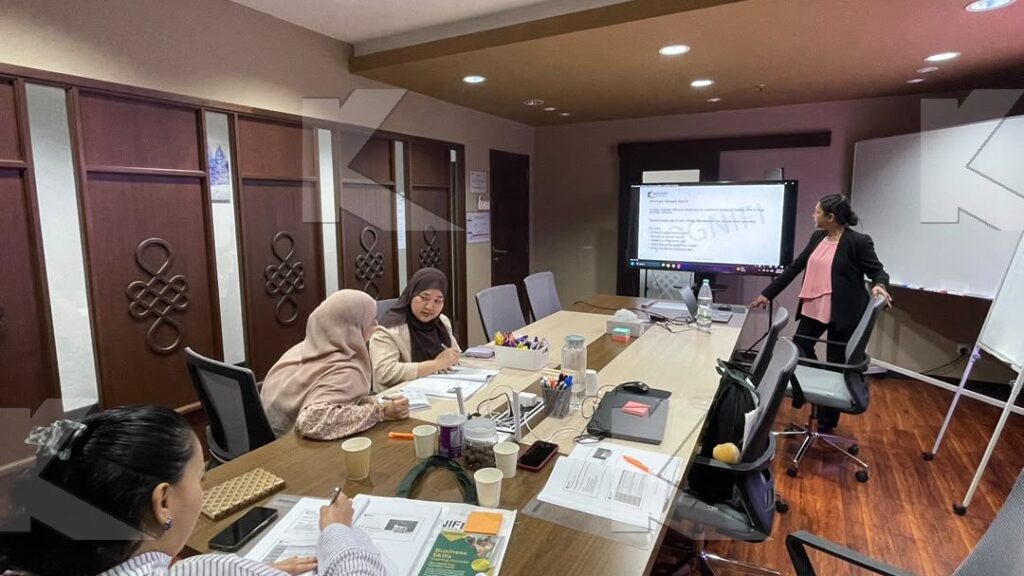
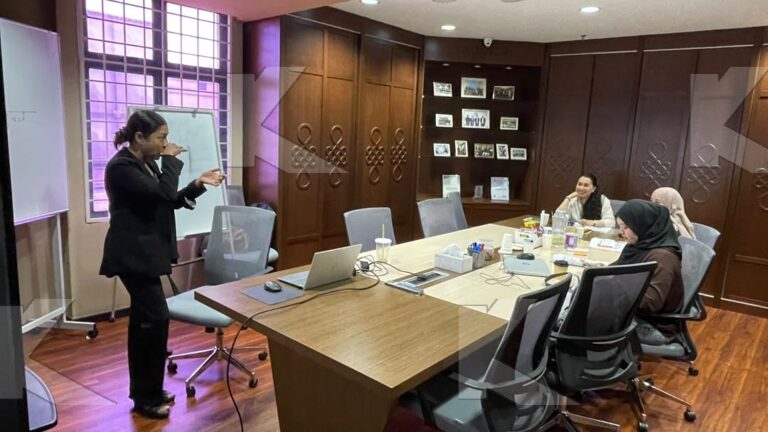
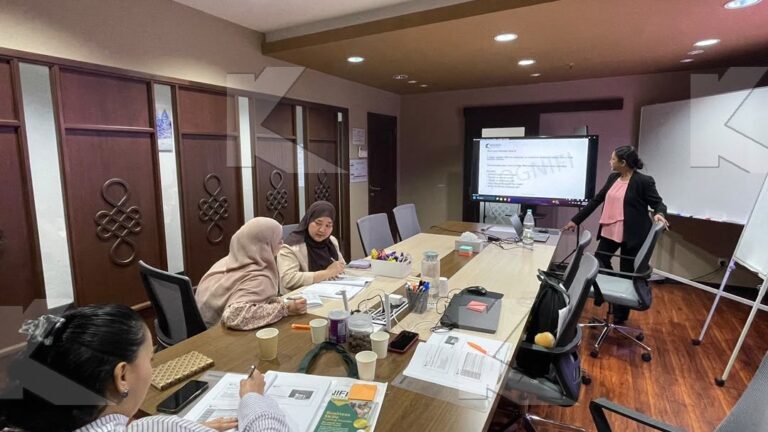
Class in action
Programme by day and module
Day 1
9.00am to 10.30am
Module 1 · Introduction to Governance and Ethics
Participants are introduced to the significance of governance and ethics in achieving corporate sustainability and the long-term viability of businesses. The module also shows how poor governance and ethics can severely impact company operations and threaten their sustainability.
- Understanding the importance of governance and ethics
- The role of governance and ethics in corporate sustainability
- The impact of poor governance and ethics on business
10.30am to 12.30pm
Module 2 · Ethical Leadership and Organisational Integrity
Participants are introduced to ethical leadership and organisational integrity, and the key role of ethical leaders in promoting a culture of ethics and integrity. The module also covers developing ethical policies and procedures that guide decision-making and behaviour in the organisation.
- The importance of ethical leadership
- Creating a culture of ethics and integrity in the organisation
- Developing ethical policies and procedures
- First workshop
12.30pm to 1.30pm · Lunch break
1.30pm to 5.00pm
Module 3 · The Board’s Role in Governance and Ethics
Participants learn the responsibilities of board members in ensuring their organisation operates ethically and with integrity. Topics include the principles of good governance, board composition and structure, ethical decision-making, and the importance of accountability and transparency.
- The responsibilities of the board in ensuring good governance and ethics
- The role of the board in setting ethical standards and guidelines
- The importance of transparency and accountability
Day 2
9.00am to 12.30pm
Module 4 · Risk Management and Compliance
Participants learn to identify, assess and mitigate risks to their operations and reputation. The module provides tools and best practices for managing risks related to legal and regulatory compliance.
- Understanding the risk management process
- Implementing a compliance programme
- Ensuring legal and regulatory compliance
- Second workshop
12.30pm to 1.30pm · Lunch break
1.30pm to 3.00pm
Module 5 · The Regulatory Framework
Participants are introduced to the regulatory environment in which organisations operate: the laws, regulations and standards that govern different industries, and the role of regulatory bodies in enforcing them. They also learn compliance requirements, the consequences of non-compliance and the importance of ethical behaviour in maintaining a strong regulatory framework.
- Legislation, regulation and corporate governance codes
- The importance of compliance and reporting transparency
- Managing conflicts of interest
3.00pm to 5.00pm
Module 6 · Governing Corporate Entities
Participants are introduced to the key components of corporate governance and sustainability, including how sustainability can be integrated into corporate strategy. The module also explores the ethical considerations of governing corporate entities and the importance of promoting a culture of sustainability within the organisation.
- The nuts and bolts of governing corporate entities
- Understanding the concept of sustainability
- Placing sustainability into corporate strategy
- Measuring and reporting on governance
How the course runs
Before
Training Needs Survey
During
Training: practice on your own work
After
- Learning Assessment
- Post-Training Implementation Plan
- Course Evaluation (TEE)
- Certificate
What Is Included
- Course handbook for every participant
- Workshop activities, guided and coached by the trainer
- An assessment test at the end of each module
- Your contribution and reflection in the group activities are evaluated
- HRD Corp Training Effectiveness Evaluation (TEE) feedback after the course
Certificate
- Certificate of Attendance: for every participant who attends at least 75% of the course and scores below 50% in the assessment.
- Certificate of Achievement: for participants who attend at least 75% of the course and score 50% to 79% in the assessment.
- Certificate of Competency: for participants who attend at least 75% of the course and pass 80% of the assessment.
Trainers


What participants say
Very engaging and clear
Trainer is very kind, informative and easy going.
Fees and HRD Corp funding
- Public class: RM 3,500 per person
- In-house and group fees: quoted for your team size and dates.
Employers registered with HRD Corp can claim this course against their levy. How claiming works
Frequently asked questions
Who should attend Governance and Ethics?
Compliance, HR, board members and C-suite executives. Participants should hold SPM, a diploma or a degree.
How long is the course?
2 days (14 hours), 9.00am to 5.00pm each day, with a lunch break from 12.30pm to 1.30pm.
Is this course an HRD Corp Claimable Course (SBL-KHAS)?
Yes. It is an HRD Corp Claimable Course (SBL-KHAS). Employers registered with HRD Corp can claim it against their levy.
Can we run it in-house or online?
Yes. You can run it in-house at your premises or ours, join a public class in Petaling Jaya, take it as private 1-to-1 coaching, or attend live online on MS Teams or Zoom.
How much does the public class cost?
RM 3,500 per person. In-house fees are quoted for your team size and dates.
What certificate do participants receive?
Every participant who attends at least 75% of the course gets a certificate. The assessment score sets the certificate: Certificate of Attendance (below 50%), Certificate of Achievement (50% to 79%) or Certificate of Competency (pass 80% of the assessment).
Next public class: 20 Jan 2027 Next public class: 11–12 Nov 2026 Next public class: 16–17 Dec 2026Related work tips
Related courses

Anti-Bribery and Anti-Corruption
 HRD Corp Claimable Course
Occupational Safety and Health
HRD Corp Claimable Course
ESG Practices for Sustainability
HRD Corp Claimable Course
Get a Quote
Tell us your team size, preferred month and location, and we will send a quotation.