
Digital transformation makes a process simpler and faster with digital tools and the skills to use them. The output stays the same, but the result is faster, has fewer errors and costs less for each unit sold.
Learn this skill in the course AI at Work (BL-AIW).
Signs that a process is ready for digital tools
- People copy the same data from paper into a system, or from one system into another.
- Customers wait for a person to do a simple, repeated task.
- Mistakes happen at the same step again and again.
- The process stops when one person is absent.
An example: orders in a restaurant
Before: customers read a menu card and wait for a waiter. The waiter writes the order on paper. New requests also need the waiter. Errors can happen when the order is taken and when the food goes to the table.
After: a tablet on each table replaces the menu card, the paper and the order-taking task. The tablet sends each order by Wi-Fi to the kitchen and the front desk. Customers order at their own pace and can order again during the meal. The system records each order. Conveyor-belt sushi restaurants and self-service kiosks in fast-food restaurants work like this.
The result: tables and queues move faster, so revenue can increase. Staff spend their time on the customer experience, not on a basic task. The restaurant spends less time recruiting and training for that task.
Two words that people often mix up
- Digitisation turns a physical item into digital data, for example the menu card becomes a screen.
- Digitalisation puts the digital item into a workflow, for example the order from the screen goes straight to the kitchen.
Change a process in four steps
- Map the current process. Use a cause-and-effect (Ishikawa) diagram and a spreadsheet. Break the process into its inputs, tools, techniques and outputs.
- Find what to digitise and what to automate. Mark the repeated tasks that people, equipment or materials do today.
- Design new paths. Use design thinking to propose other ways to reach the same result. Diagrams, for example in the Unified Modeling Language (UML), help to group the parts.
- Train the people. New tools need new skills. Plan the training before the launch.
The technology underneath
- Devices and sensors: touch screens, computers and routers, plus sensors for sound, heat and motion. Connected sensors are the internet of things (IoT).
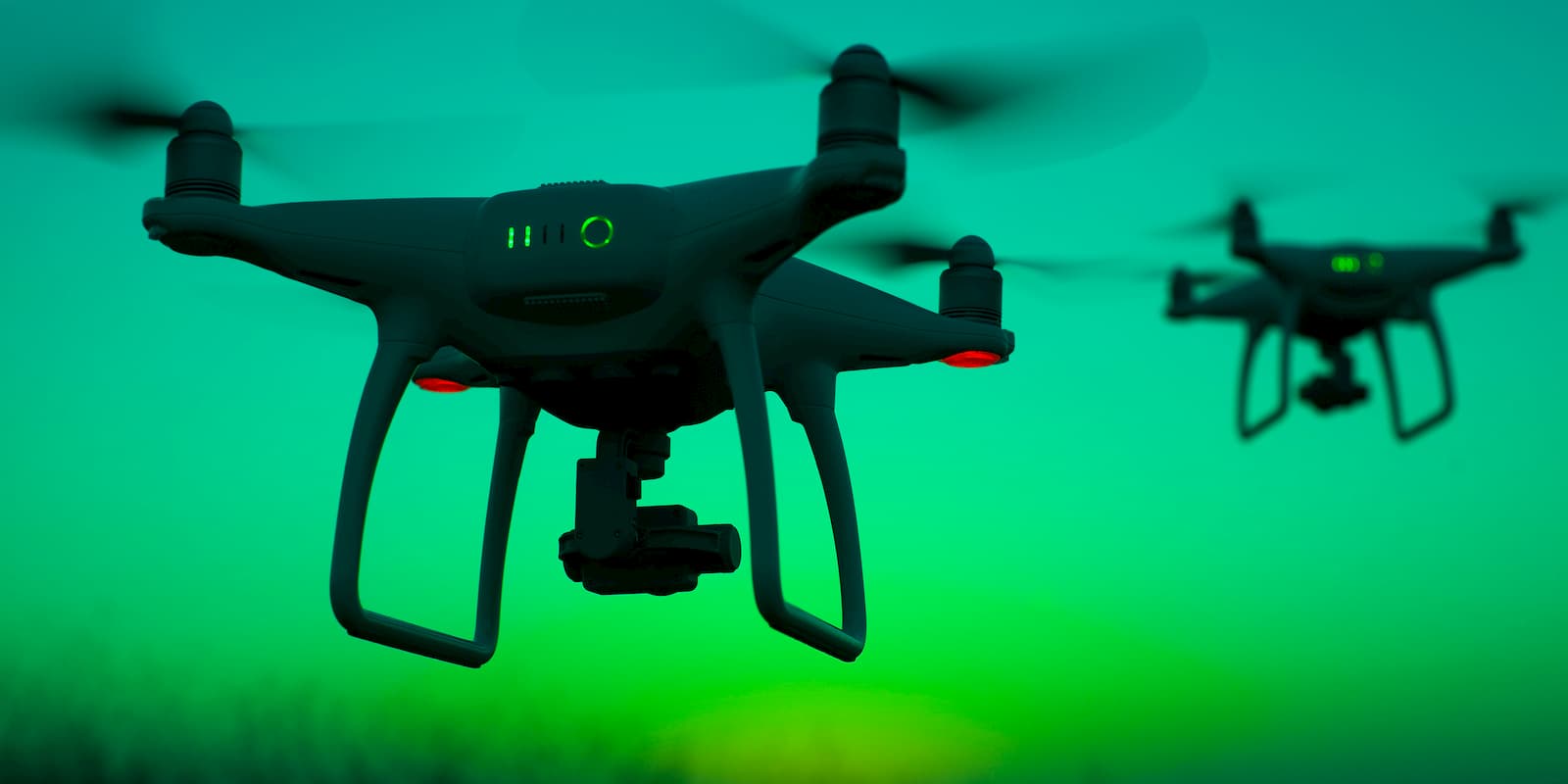
- Autonomous devices: drones and robots that deliver, collect and report back.
- Connectivity: each device, application and user needs a connection. Include broadband in each plan, as you include electricity.
- AI and automation: these do more of the repeated decisions and tasks.
Digital tools free people from repeated work. But people then need to learn to use and manage the technology, or they fall behind. Today, digital skills are as basic as reading, writing and arithmetic.
What to do this week
- Select one process that customers complain about.
- Draw its steps on one page. Mark each step where data is copied or people wait.
- Write one idea for a digital tool that removes that step.