

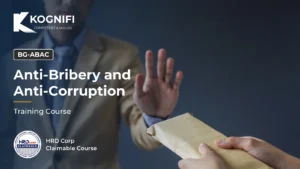
Unveiling Common Corruption Practices Across Industries: Stay Informed and Act
Corruption is not limited to any one industry. It’s a global issue that affects everything from procurement to corporate governance.
The damage can be devastating, from financial loss to reputational collapse. Understanding the common corruption practices across industries is the first step in preventing them.
Corruption undermines trust, disrupts operations, and can lead to severe legal and financial consequences. This article explores prevalent corruption practices, their impact, and how businesses can protect themselves.
Discover actionable insights and learn how Kognifi Sdn Bhd can help you safeguard your organization.
Click the Anti-Bribery and Anti-Corruption Training Course link to see the detailed course content.
Click the button below to contact Kognifi Customer Service (+6010-914 3599) on a working day (Mon-Fri, 9am to 5pm) for your enquiry on training course classes.
Or send in an enquiry form. We will respond within 24 hours on a working day.
Why Corruption Practices Demand Your Immediate Focus (ABAC)
Corruption is a pervasive issue that affects industries worldwide, from finance to healthcare, construction, and beyond.
In Malaysia, Section 17A of the MACC Act has made anti-bribery plans non-negotiable since its enforcement in June 2020. Understanding Section 17A is the first step to safeguarding your business from financial and reputational ruin.
According to a 2023 report by Transparency International, 68% of businesses globally have encountered some form of corrupt activity. Ignoring these practices can lead to regulatory penalties, loss of stakeholder trust, and operational inefficiencies. Stay vigilant, corruption could be closer to your business than you think.
1. Bribery and Kickbacks
Hidden Threats in Everyday Transactions
One of the most common corruption practices across industries is bribery, where individuals offer or accept incentives to influence decisions. Kickbacks, a subset of bribery, involve returning a portion of funds to secure contracts or favorable treatment.
These practices are rampant in sectors like construction and procurement, where large contracts create opportunities for illicit gains. For example, a 2024 PwC study found that 45% of construction firms reported bribery incidents. Recognizing these red flags is the first step to building a corruption-free environment.
2. Fraud and Embezzlement
How They Erode Trust and Profits
Fraud and embezzlement are other common corruption practices across industries that silently drain resources. Fraud, such as falsifying financial records, affects industries like finance and retail, while embezzlement, misappropriating funds for personal gain, is prevalent in organizations with weak internal controls.
A 2025 Association of Certified Fraud Examiners report estimated that businesses lose 5% of annual revenue to fraud. Implementing robust compliance programs and audits can ignite a desire for transparency and accountability within your organization.
How to Detect Corruption and Unethical Behaviour

1. Unusual Financial Transactions
- Sudden, unexplained payments or large cash transactions
- Invoices lacking proper documentation or with duplicate payments
2. Conflict of Interest
- Decisions consistently favouring a particular vendor or individual without clear justification
3. Excessive Gifts or Hospitality
- Regular gifts or favours from a single source
4. Poor Record-Keeping and Documentation
- Lack of supporting documents for financial or operational activities
5. Behavioural Changes
- Staff reluctant to share information or avoid audits
What to Do When You Suspect Corruption (ABAC)
✓ Report concerns through established whistleblowing channels
✓ Conduct internal audits or investigations
✓ Classroom learning reinforcement
✓ Maintain confidentiality and protect whistleblowers
✓ Provide training to increase awareness and vigilance
Corruption isn’t just unethical, it’s illegal and dangerous to long-term business success. If your company wants to assess vulnerabilities or develop a strong anti-corruption strategy, you don’t have to do it alone.
👉 Contact Kognifi Sdn Bhd today for expert compliance consultancy, anti-corruption training, and risk assessments tailored to your industry.
Why should you learn the ABAC Anti-Bribery and Anti-Corruption Training Course?
Participants in our program receive personalized coaching, real-world applications, and hands-on workshops.
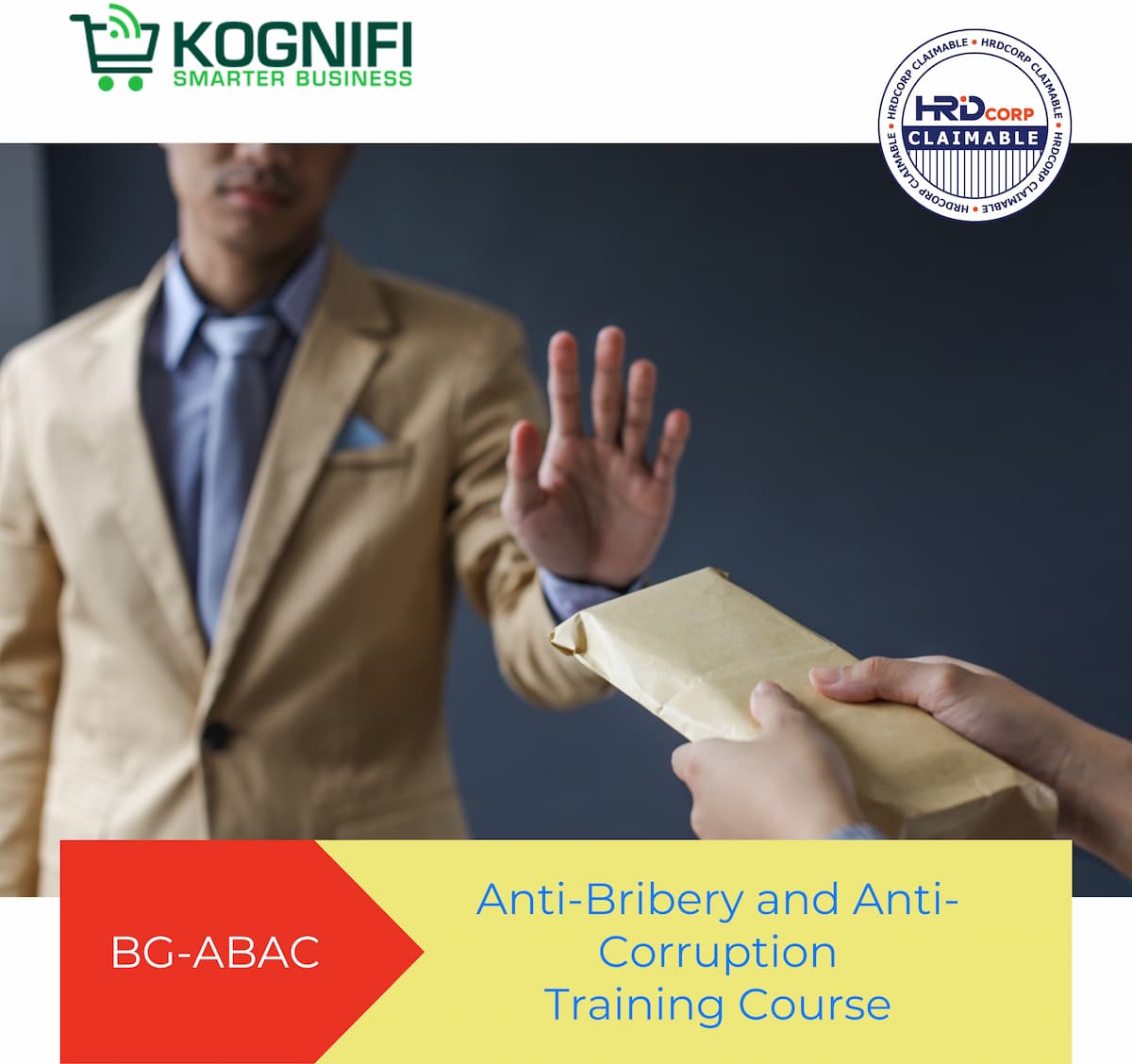
Anti-Bribery and Anti-Corruption Training Class
You will be guided by our 20 years experienced trainer and coached in a workshop-style environment
In these ABAC Anti-Bribery and Anti-Corruption Training Classes, participants will learn how to identify and mitigating common corruption risks such as fraud, bribery, and procurement misconduct.
This course focuses on Malaysia’s anti-corruption laws, strategies to identify and mitigate corruption risks, and best practices for corporate and individual compliance.
Best practices in corporate governance, ethical leadership, and implementing a zero-tolerance policy.
Participants will understand their legal duties and accountability in preventing bribery and corruption.
What You’ll Gain with Kognifi’s Anti-Bribery and Anti-Corruption Training
By the end of the programme, participants will be able to:
- Identify corruption risks and unethical practices in the workplace.
- Demonstrate effective use of internal and external reporting channels
- Compliance through internal controls, due diligence and risk assessments
We are an HRD Corp registered and claimable training programme. And our trainer is an HRD Corp Certified Trainer in Malaysia.